
25+ documents containing “Cultural Group”.


Cultural Assessment
The purpose of this assignment is to give you the opportunity to analyze the effects of culture on health care. You are to use a community (Red Hook Brooklyn, NY 11231) and select a cultural group (African American).
Describe using demographic data (local, state or federal) the group you have chosen to study. Describe disease incidence and prevalence rates in this population. Identify factors, which place this group at risk for specific disease. Describe family patterns, cultural, religious, nutritional, etc practices, Examine health care beliefs, values and traditions within that culture. Note the following guidelines for specific assessment requirements. Discuss how these traditions influence health care decisions and how health care providers working with this group can gain cultural competence.
Guidelines
Your paper should address the following five points. This assignment should be submitted with abstract, references, and appendices included separately.
Description of Target Population. Include demographic and census data, ethnic and cultural health practices, religious belief systems, language, nutrition, literacy, education, etc. (15 points)
Description and Analysis of Health Beliefs. Interpret health beliefs of the target population in relation to both health and illness. (15 points)
Description of Illness Needs. Use epidemiologic data to support this section. (15 points)
Management of Health and Illness Needs. How does the target population manage health and illness needs? How does this group interact with members of the mainstream healthcare delivery system? How does this group access services to manage health and illness needs? Does this population utilize cultural/traditional health practices and providers? Describe. (20 points)
Summary and Analysis. This section should include a description of the dominant health care culture and areas of conflict between the cultural group and the health care system. Given this analysis, clearly state the implications for nurses and the health care delivery system. (20 points)
Format of presentation including APA, abstract, references & appendices (15 points)
The following outline from Spector, R.E. (2000) can serve as a guide for the collection of data:
Demographic Data
Total population size in relation to town/community
Breakdown of areas- residential concentration
Breakdown by age, sex, education, occupation, income
Nations of origin of residents
Traditional Health Beliefs
Definition of health and illness
Overall health status
Causes of Illness
Poor eating habits
Wrong food combinations
Virus, bacteria or other organisms
Punishment from God
Evil eye, hexes, spells or envy
Witchcraft
Environmental changes
Exposure to drafts
Over or under worked
Grief or loss
Additional Considerations
Methods of maintaining, protecting or restoring health
Patterns and use of MD and other health care resources
What kind of providers do they use/avoid and why?
Use of traditional healers
Child bearing and child rearing beliefs and practices
Rituals and beliefs surrounding death and dying
Cultural Identity Paper:
Write a 4-6 page paper describing factors of your cultural identity. In your analysis, please use BOLDED terms from the textbook. Include all of the following:
*Describe all of the cultures and cultural groups with which you feel a strong identification. Choose 2 from the following:
(i) Pakistanis, (this one for sure)
(ii) and one from either Indians or Bangladeshis
In your description of these groups, include the groups prevailing values, attitudes, and beliefs, and how members of these groups expect you to behave. Now analyze how strongly you embrace these mores. Cultural groups would be factors such as age, gender, hobby groups, career identification, etc.
*What characteristics of these cultures and cultural groups do you think have an impact on your communication behavior as a college student? Give some actual examples to amplify your analysis.
*Now describe a group (culture or cultural group) with which you feel uncomfortable. Give some actual examples to amplify your analysis.
*Finally, do some analysis on where you believe yourself to be in the search for cultural identity, according to the three stages described in Chapter 6 in the textbook. Give some actual examples to amplify your analysis.
I will be sending a copy of all the pages from chapter 6 via fax within a day. Please use bolded terms from that chapter. Also, please make sure that you use the book chapter 6 as one source, and one other source. Also, please ensure that you address all these questions given above in a proper and detailed manner, as this makes up most of or the entire paper. Since this a personal sort of paper where I am supposed to analyze things and see where i believe to be in search for cultural identity, and how i feel uncomfortable with a group, etc...its ok if you can pls just go ahead and address these questions with your own personal point of view instead of mine. thanks alot.
There are faxes for this order.
Cultural Competence Health Practitioner Assessment (CCHPA) (12 points)
The Cultural Competence Health Practitioner Assessment (CCHPA) was created by the National Center for Cultural Competence to encourage competence in cultural linguistics among providers. As a result of the assessment, health care providers will be conscious of ways to effectively reduce or eliminate health disparities among ethnic and racial groups. The hope is for you to discover your own cultural competence.
Follow the below directions to complete the assignment, worth 12 points:
1. Paste the below website in your browser:
http://nccc.georgetown.edu/features/CCHPA.html
2. Read the overview and purpose.
3. Scroll down to the bottom of the page and begin the assessment. There will be six sub-scale areas to complete in the assessment.
4. After completing the assessment, state how you could benefit from gaining knowledge from each of the six sub-sale areas.
5. In a word document, place the six(6) sub-scale areas in a "TABLE FORMAT" (below is an example of the table with the Values and Belief Systems sub-scale area) along with any suggestions from the ?benefit from gaining knowledge? information. Each subscale area should have two (2) suggestions provided by the CCHPA website.
EXAMPLE:
Sub-Scale Areas How could you benefit from gaining knowledge? (1 pt. each suggestion)
1. Values and Belief Systems (Example) a. Identify and engage key cultural informants within diverse communities (1 pt. each)
b. Discern cultural group norms and group differences (1 pt. each)
2. Cultural Aspects of Epidemiology a.
b.
3. Clinical Decision-Making a.
b.
4. Life Cycle Events a.
b.
5. Cross-Cultural Communication a.
b.
6. Empowerment/Health Management a.
b.
6. Next, submit your completed assignment
Cultural Health Promotion Plan Paper
This is an INDIVIDUAL assignment based on community data and the Healthy People 2010/2020 National Objectives.
DUE DATE: July 6, 2010 by 10:00 p.m. with late submission policy application to this assignment.
Complete the paper according to APA 6th Edition Guidelines as a word processed document. The paper must be submitted electronically via course Web Courses Assignment function.
The paper is limited to a MAXIMUM of Ten (10) pages (including the title page and references pages; NO Abstract is needed for this assignment). Do not exceed the ten page limit as only ten pages will be read and graded! The paper must double spaced in font size 12. Include Title Page with a running head and a page number according to APA Sixth Edition format. Page one begins on the title page. References using APA format are included in the total page count.
The Cultural Health Promotion Plan paper topics are derived from the work that was previously identified by faculty, students, and other pertinent resources in the community. The problems/needs/risks are drawn from Community Data/Healthy People 2010/2020.
1. Each student will select ONE problem/need/risk from the list provided by Dr. Ark. The list is located in Web Courses Course Web Site on a separate Discussion Board. The problem/need/risk is written in the four-part community diagnosis format. The student should not alter the diagnosis.
2. Develop a cultural health promotion plan as if the plan would be implemented for a target group within any community, not particular to your assigned Community Nursing Coalition. Writing the plan paper assignment will aid in the development of the program planning and evaluation skills that you will use in the development of the senior project in Public Health Nursing Clinical in the last semester of the Basic BSN Program ?" the topic area of your paper is not necessarily the topic area for the community intervention plan in the Public Health Nursing clinical, however the skills you learn in this course will prepare you for the important service-learning work in the community during the last semester of the program. RN-BSN students conduct a teaching project/evaluation in NUR 4604L Community/Public Health Nursing Practicum.
3. Submit the plan paper by the due date and time.
Here are thoughts to guide the development of the paper regarding health variations by cultural heritage:
Cultural Diversity refers to the differences among people based upon shared ideology and valued sets of beliefs, norms, customs, and meanings evidenced in way of life (ANA, 1996, Position Statement on Cultural Diversity). This diversity is expressed in various ways. Diversity in history, beliefs, practices, and opportunities not only exist among cultural groups, but also typically exist across a wide continuum within the group. Health behaviors are influenced by culture and cultural values as well as by socioeconomic status.
In this assignment, students develop a health promotion plan for a cultural group living in the United States, not necessarily in your CNC community location. You are to learn as much as you can about the cultural norms and patterns and how these norms and patterns influence health practices. The purpose of this assignment is for the student to develop a deeper understanding and sensitivity regarding the role of culture in life of the client and in nursing through the examination of a cultural/ethnic group.
Thoughts to consider as you develop the paper:
Health and Culture: The nurse must recognize that members of various cultures define health differently. Individuals may define themselves or others in their group as healthy even though the nurse identifies symptoms of disease. Cultural priorities of the client may differ from that of the nurse.
Culture and Healing: Individuals and families in various cultural groups may also use traditional healing systems, sometimes called lay or folk-healing systems, with or without allopathic (modern) medicine. In addition to seeking help from the nurse as a health care provider, clients may also seek help from traditional or religious healers. Most nurses have experienced clients who combine medical care with prayer. Nurses need to be sensitive to, respectful of and nonjudgmental regarding patients health beliefs and practices in order to maximize patient outcomes.
Health status of all clients is influenced by the interaction of physiological, cultural, psychological, economic and societal factors. Diversity within and among groups necessitates data collection activities and programs that are tailored to meet the unique health care needs of different subgroups.
Health beliefs are translated into health care practices, which then affect health status. What constitutes appropriate care for specific health conditions may be guided by cultural and social class expectations held by members of the culture.
Health Information and Education:
Planning health education programs requires identifying and building on cultural strengths and ensuring sensitivity to cultural factors. Meeting the language and cultural needs of each identified minority group, using minority specific community resources to tailor educational approaches, and developing materials and methods of presentation that are at the educational level of the target population are essential considerations in the planning process. Health programs should be sustainable over a long period of time and accountable to the clients.
Paper Guidelines
Format the paper according to APA Sixth edition guidelines; you will have Level 1 and Level 2 Headers in this paper.
Insert a Title Page
Then, page two (repeat title of paper on page two)
Community Diagnosis
State the community diagnosis addressing the problem/need/risk that you selected from the approved list for this paper. Be sure to include the in text cite for Healthy People 2010 in your References list.
First address the
Aspects of Cultural Assessment
Ethnic/racial identity How does the group identify itself in terms ethnicity and racial background? What is the range of interaction outside of the cultural group? Are recreational, educational, and other social activities within the ethnic reference group, the wider community, or both?
History and Value Orientation How are values derived? What is the historical experience of the group that may have impacted values?
Language-communication process What languages are spoken in the home? And by whom? What language is preferred when speaking to outsiders? Do second and third generations in the U.S. speak the language of their grandparents?
Health Belief and Practices What are the traditional health beliefs? How common are these beliefs and practices within this group? To what extent are folk healing practices and practitioners used? Is access to care and equality of care an issue for this group?
Religious Beliefs Religious articles & practices, how spirituality is defined. Remember that Religious Beliefs and Spirituality are different concepts.
Spirituality How is spirituality defined? Remember that Religious Beliefs and Spirituality are different concepts.
Lifecycle events Which life cycle events are important to the culture? What are the customs associated with births, coming of age, marriage, and death?
Nutritional Behavior/Diet Are there restrictions? Are there common practices?
Review of Literature on the Health Problem
Complete a review of the literature highlighting the health problem and the target group. Be sure to use headers to organize this section of the paper. Students must use the Maurer & Smith textbook and optional use of other textbooks from the first semester courses as references. You may use literature from Allied Health however you must have THREE evidence-based nursing references (nursing literature/nursing journals) published within the last five years included in your in text citations within the paper and on the list of references. In other wods, include cites in the body of the paper and the full citations of all sources in the References section of the paper according to APA format. Remember that not all journals listed in the CINAHL database are nursing journals.
You should answer these questions in the review of literature ?" these three categories are headers:
Why is this diagnosis a health problem for this target group?
What are the current nursing interventions for this problem?
What interventions have been successful and what interventions have NOT been successful?
Planning
Plan Title
Give the plan a title ?" this title must be consistent on the title page, on the second page, and here.
Short Term Goal
List one short term goal with the time frame of the final semester (15 week 45-hour clinical) in the BSN program. Remember that education is a strategy not an outcome or goal.
Measurable Objectives
Write three measurable, time specific learner objectives. State the learning domain for each of the three objectives; you should write in the domains of Cognitive; Affective; and/or Psychomotor. Remember that in order to have an effective program intervention, you would not have all three of the objectives in the cognitive domain, nor would you necessarily have one objective for each of the domains.
Objectives Summary
Consider all of the objectives together; write two paragraphs (maximum) addressing these areas:
The Objectives are: (1.) Specific; (2.) Measurable; (3.) Reasonable/Feasible; (4.) Fit with a community-based setting; and (5.) Easily understood by clients.
Budget
Create a Brief Budget (must be in Table format according to APA)
Determine a budget for the project.
Time: Consider $14.00/hour for the student nurse rate (remember that you will have a 45-hour clinical course in which to complete the project ~ you may have other student nurses assisting you on the project).
Materials: while brochures may be donated - in kind - there is still a cost.
List other resources needed for the project.
Be sure to total out the amount of the project using the Table format guidelines in the APA manual.
Intervention
Health Promotion Strategies/Methods
Describe in detail the strategies/methods for each of the three objectives. Remember to use headers throughout this section to clearly articulate the intervention. You should list Objective One, then describe the primary and secondary prevention strategies; then, Objective Two, describing the primary and secondary prevention strategies; then, Objective Three, describing the primary and secondary prevention strategies. Explain the rationale for selecting the strategies/methods. Remember that you are writing strategies at the levels of Primary Prevention & Secondary Prevention levels, and not Tertiary Prevention level strategies in this paper.
Evaluation
Use three headers
Objective One
Objective Two
Objective Three
The text in paragraph form will follow each of the headers as displayed above. In the text, tell the reader how the outcomes of each objective are measured/assessed at both the primary and secondary level of prevention. Remember that an evaluation is based on objectives. An evaluation is the appraisal of the effects of activities and/or program interventions. An evaluation is conducted in order to determine the relevance, progress, efficiency, effectiveness & impact of program activities.
References
Formatted according to APA Sixth edition guidelines
There are faxes for this order.
Cultural Assessment Presentation
The purpose of this assignment is to give you the opportunity to analyze the effects of culture on health care through a power point presentation or a research paper. You are to use a community of your choice and select a cultural group other than your own. If you are using the Trenton area please select either the African American or Hispanic groups because of the high proportion of residents belonging to these two groups.
Describe using demographic data (local, state or federal) the group you have chosen to study. Describe disease incidence and prevalence rates in this population. Identify factors, which place this group at risk for specific disease. Describe family patterns, cultural, religious, nutritional, etc practices, Examine health care beliefs, values and traditions within that culture. Note the following guidelines for specific assessment requirements. Discuss how these traditions influence health care decisions and how health care providers working with this group can gain cultural competence.
Presentation Guidelines
Your presentation should address the following five points. This assignment should be submitted as a power point presentation with abstract, references, and appendices included separately.
Description of Target Population. Include demographic and census data, ethnic and cultural health practices, religious belief systems, language, nutrition, literacy, education, etc.
Description and Analysis of Health Beliefs. Interpret health beliefs of the target population in relation to both health and illness.
Description of Illness Needs. Use epidemiologic data to support this section.
Management of Health and Illness Needs. How does the target population manage health and illness needs? How does this group interact with members of the mainstream healthcare delivery system? How does this group access services to manage health and illness needs? Does this population utilize cultural/traditional health practices and providers? Describe.
Summary and Analysis. This section should include a description of the dominant health care culture and areas of conflict between the cultural group and the health care system. Given this analysis, clearly state the implications for nurses and the health care delivery system.
The following outline from Spector, R.E. (2000) can serve as a guide for the collection of data:
Demographic Data
Total population size in relation to town/community
Breakdown of areas- residential concentration
Breakdown by age, sex, education, occupation, income
Nations of origin of residents
Traditional Health Beliefs
Definition of health and illness
Overall health status
Causes of Illness
Poor eating habits
Wrong food combinations
Virus, bacteria or other organisms
Punishment from God
Evil eye, hexes, spells or envy
Witchcraft
Environmental changes
Exposure to drafts
Over or under worked
Grief or loss
Additional Considerations
Methods of maintaining, protecting or restoring health
Patterns and use of MD and other health care resources
What kind of providers do they use/avoid and why?
Use of traditional healers
Child bearing and child rearing beliefs and practices
Rituals and beliefs surrounding death and dying
Customer is requesting that (freebyte) completes this order.
Cultural Assessment Paper: African American Family.
1. Review the literature on the cultural group of this family.
2. Check the census data on the particular cultural population.
3. Data collection (setting, informant, method for data collection) clearly described.
4. Describe the construct identified and the client?s experience and response to it.
5. Draw conclusions about the cultural phenomenon as practiced by this group.
6. State three implications off your nursing practice and standards of care.
7. Cons health abstract.
Preferences
http://www.dimensionsofculture.com/2011/05/health-care-for-african-american-patientsfamilies/
https://www.slideshare.net/tamieka24/african-americans-26153038
http://www.apa.org/pi/about/publications/caregivers/faq/cultural-diversity.aspx
http://www.rcgd.isr.umich.edu/prba/perspectives/spring1995/bmcgadney.pdf
http://www.mopaonline.org/uploads/9/4/5/9/9459095/cultural_competence_and_the_african_american_experience_with_health_care_-__the_case_for_specific_content_in_cross-cultural_education.pdf
This cultural psychology term paper is supposed to be an empirical study that compare differences of two cultural groups(East Asian and Westerner) in some area and topic could be anything. And it should contain statiscal analysis and graph of it. I'll attach paper guideline and 3 sample papers to refer. Then you could know what this paper should look like.
Follwings are example questions:
1. People first make sense of similarity by looking at others appearance. In other words, people make sense of difference by others appearance. Then people from which culture make stronger sense of difference and show stronger tendency of discrimination? People from East-Asian culture or Western culture?
2. People from which culture is more likely to show kindness to foreigners? East-Asians or Westerners?
3. People from which culture adjust themselves well as an expatriate? East-Asians in Western culture or Westerners in East-Asian cultures?
Those are just sample questions. question and hypothesis can be anything but must be comparison of two cultural groups(East Asian and Westerner).
please use at least 7 references.
Thank you!!
There are faxes for this order.
TEXT:Eicher, J.B., Evenson, S.L., Lutz, H. A. (2008). The Visible Self: Global Perspectives on Dress, Culture, and Society, 3rd Edition. New York, NY: Fairchild Books. ISBN-13: 978-1-56367-642-0
Please answer all the following questions and label it correctly.
Short Answer Questions:
Part1
1. Why do all humans engage in the act of dressing the body? Consider how dress
relates to both the physical and the social needs of the wearer.
2. If all humans dress themselves for the same basic reasons, why do we look so
different from each other? Consider the influences of culture, age, gender, and
other factors that distinguish people from one another.
3. In what ways is your own body an example of the material culture of the society
to which you belong? How does this relate to the idea of what is natural to the
body?
4. What is the difference between ascribed and achieved status? Find examples of dress
that communicate each.
5. Following the definitions provided in reading, give examples of ethnic dress,
national dress, world dress, and world fashion from your own dress or that of your
family members, friends, and acquaintances. Can you find examples of all four
kinds of dress?
6. Review the concepts of world fashion and tradition in dress. How do you see these
affecting your dress?
7. Do fashionable dress and ethnic dress both have a history of change?
Part 2
1. Share with others in your discussion group?the kinds of dress from other cultures you have seen on people you have met from other cultural groups, for example, recent immigrants to the United States or people you have met traveling outside the United States. Explain how you interpreted the dress they wore. Based on your example, and the examples of others in your discussion group, decide how cultural differences in dress affect your interactions with others.
2. Have you had the experience of being taught how to dress according to the cultural expectations of another society? Share these stories in a small discussion group as examples of acculturation. Contrast these acculturation experiences with the enculturation process through which you learned to dress according to your own society?s cultural expectations.
3. Consider the way in which American grooming rituals, that is American temporary and permanent body modifications, have been reported in Reading I.2, ?Body Ritual Among the Nacirema.? How did you react to reading an ethnographic account about American bathing practices? How does reading this article help you understand the term ethnocentrism?
4. With reference to the Nacirema article, discuss how the use of unfamiliar language, even when it is scientific, can lead to or dispel ethnocentrism. How will reading this short ethnography about your own social group change the way you read scientific articles about the dress of other societies? How does the terminology of the dress classification system alter your understanding of your own dress?
5. Share with others in a small work group: memories of times growing up when you were taught, or learned through the negative reactions of others, how you should dress to fit your age, gender, and other aspects of your social status and role. Such memories of socialization are typically associated with strong feelings of delight at success or embarrassment at misunderstanding your society?s cultural expectations. Develop a statement about the processes of socialization and enculturation into the dress practices of your society based on these various memories. Are some aspects of dress more carefully enculturated than others?
6. Brainstorm a list of the various groups, large and small, in which you participate through the days, weeks, or seasons of your life. Identify which of these groups has its own cultural dress. Examples might be the corporate cultural expectations where you work, the ethnic community of your ancestors, your childhood Scout troop, and your social clique in high school. Each of these groups may have required special dress, or rejected certain forms of dress as inappropriate. Document those cultural dress variations with examples from your wardrobe. Do they require distinct ensembles, or do you see overlap in the dress?
7. Update Miner?s article on Nacirema (Reading I.2), and describe a currently popular and familiar grooming or dressing activity using Miner?s technical writing style. Avoid ordinary words?that is, lay terminology?where a more abstract or scientific word will more accurately describe the activity to someone who is totally unfamiliar with the activity. Next, read what you?ve written and write down your reactions to how this changes your perception of the dressing activity.
8. Using the definition of world dress, list which cultural groups around the world have contributed forms of body supplements or modifications to your own dress. Remember to include all body modifications and supplements, and dressing for all times of day and night?for instance, pajamas and overcoats, gym class and weddings. To help find clues to such items, consult a dictionary that provides information on the historical linguistic origins of words. For instance, if you wore a cummerbund as a groomsman at a wedding, look up cummerbund in the dictionary and see what language the word comes from, as a clue to its cultural origins.
9. Examine the body modifications and supplements that one of your parents typically wears throughout the day, week, and seasons of life for signifiers of social status?for example, age, gender, economic level, education level, marital status, rank in organizations to which your parent belongs, rank in work setting, or religion. Next, sort these various dress signifiers into those that nonverbally communicate achieved status and those that communicate ascribed status.
Part3 Chapters 3 & 4
1. List the types of visual representations of dress that have been produced through human history. Give examples of each. What are the strengths, weaknesses, and biases of each type? See pages 69-77 for types & examples of each.
2. Select a topic related to dress. Choose one that is closely related to your own interests. For instance, if you have been a cheerleader or athlete, you might want to choose sports uniforms. If you love to wear bracelets, you might want to study them in history. Find three sources of information on your topic. Evaluate their advantages and disadvantages as sources of information on the history of this aspect of dress. See the discussion on pages 82-83 for reference.
3. Explain how etiquette books and manuals on manners contributed to the experience of becoming a U.S. citizen in the nineteenth century. See pages 94-96.
4. In the reading 1.5 on pages 141-149, ?Dress as a Reflection and Sustainer of Social Reality: A Cross-Cultural Perspective,? by Hamilton and Hamilton:
a. How did the Hamiltons prepare for the research? What sources of information did they use?
b. What is participant observation? Why is it a useful research method when studying human behavior?
c. How are the study?s findings significant?
d. How is Karen?s dress similar to and different from Euro-American dress?
Part4
The personal aesthetic of dress is associated with a pleasurable feeling or emotion that arises with stimulating sensory organs. Human beings often evaluate pleasing sensory experience as beauty. The philosopher George Santayana (1896/1955) stresses these qualities in all beauty:
Beauty is a value?.it is an emotion, an affection of our volitional and appreciative nature. An object cannot be beautiful if it can give pleasure to nobody: a beauty to which all men were forever indifferent is a contradiction in terms. This value is positive, it is the sense of the presence of something good, or (in case of ugliness) of its absence. It is never the perception of a positive evil; it is never a negative value. (p.49)
1. In your own words, explain Santayana?s statement ?Beauty is a value.? How do the terms beauty, aesthetic, and art differ?
2. Describe how stimulation of the senses produces an aesthetic response. How is that response filtered by cultural orientation?
3. What small artistic decisions do you make every day about your own dress? How do your decisions vary from day to day and why? In your small discussion groups, compare your daily artistic decisions during the dressing process.
4. Consider the concept of beauty in relation to the dressed appearance of men, women, and children in the United States. Brainstorm a list of lay terminology Americans commonly use to express the idea of adult male or female beauty or beauty in male and female children. How is beauty conceptualized differently by gender and by age in American society? How is this different from other societies outside of the U.S.? For example: In some societies, complimenting the beauty of a child is frowned upon, as it attracts the evil eye.
5. Examine the varieties of men?s hairstyles in Figure 10.3 on page 318 in your textbook. Discuss the subtle differences in meaning of each of these styles, if worn in today?s society.
6. Discuss the differences between the two cultural typologies shown in Figure 10.9 on page 327 and Figure 10.10 on page 328 in your textbook. Each one is applicable to a different cultural group or microculture. Each cultural typology is also about a different aspect of dress. What is each cultural typology about? Consider all aspects of the forms and of the types of non-verbal meanings of dress.
HOMEWORK ASSIGNMENT
7. Consider, in Figure 10.1 (page 315 in your textbook), the advice, visual and textual, to American women of aesthetically appropriate garment fit. Using pictures from magazines and other popular media together with the collage technique, construct your own visual and textual advice for appropriateness in some other aspect of dress, such as high-heeled shoes, amounts of jewelry or makeup, or pant lengths, etc. Write a paragraph about the process of deciding the current culturally appropriate aesthetic for this aspect of American dress.
*The CONTEXT for your aspect of dress ?dos? and ?don?ts? is NIGHT ON THE TOWN*
Assignment 2
Superstorm Sandy : Consequences from the Perspective of Cultural Psychology
Cultural psychology has taught us that humans are not very well adapted to their environment but that culture is an adaptation in itself that makes up for this lack. In times when we lose power and basic supplies become scarce, this becomes particularly evident.
We learned that culture is a type of information: ?Culture is any kind of idea, belief, technology, habit, or practice that is acquired through learning from others.? We have also learned that cultures are groups of individuals: ?Cultures are people who are existing within some kind of shared context.? (Heine, 2011, p. 3).
With that in mind, think about all the ways in which Superstorm Sandy showed us that culture is an adaptation. Think of all the aspects of culture that people lost during and after the storm. Search for evidence in images, reports, videos, interviews, statistics, reports, etc.
Areas to cover (address all four areas but the questions are examples; you don?t have to answer all of them):
n Cognition: What did people think in this situation? What impact did the event have on their thinking about what happened? Did they think differently after than before the storm? Did they look for someone else who is responsible or did they take responsibility (e.g. if they did not evacuate)? Focus on cognitive effects of the loss/crisis (behavior comes later).
n Emotion: What happens to us when all cultural achievements are gone? What happens to our identities? How do people feel if they are disconnected? How do they react once the cultural adaptations that we all take for granted are gone? Do people suffer? Do they enjoy being without constant information overload?
n Coping Behavior: How do people deal with this situation? Do they adapt? How do they adapt? Are there differences in how some people adapt faster than others? Are there differences between cultures (i.e. cultural groups)?
n Long-term consequences: What do people say about the future? Do they plan to change their behaviors in the future as evidence of adaptation to a new situation? Is there evidence of resilience? Is there evidence for any long-term consequences of groups of individuals (e.g. look what the mayor or the governor said about potential changes in the future)?
What the result should look like
Result of this assignment will be posted on Blackboard (you will submit it by posting it). It should be a type of presentation (video clip if you have the means, PowerPoint presentation, or poster with pictures). You have to present your message. What would you like a person to learn from your presentation who is interested in the effect of such a crisis and disaster on culture and on humans?
A maximum of 5-7 minutes is what it should take someone to look through your presentation!
Grading: The artistic value will not be graded (although certainly enjoyed!). What will be graded is whether your presentation can stand the test of critical thinking and scientific analysis (are there alternative interpretations? are the positions biased or balanced? is there sufficient evidence for your claims or is it just wild speculation? If you find evidence for one side, look for evidence for the other side).
Module 2: Topic and Objectives
Professional Communication and Practice
*
Demonstrate professional writing skills using APA style.
*
Examine cultural competence in the nursing profession.
*
Describe the role of "codes of ethics" in the development of disciplinary knowledge.
Module 2: Assignments
Professional Communication: Cultural Sensitivity
1) Write a paper of 1,000?1,250 words on a specific cultural group. For this assignment, use the following guidelines:
a) Select one article from a nursing journal focused on a cultural group.
b) In the introduction, state your reason for selecting the cultural group.
c) Summarize the key points of the article.
d) Apply the new information to a practice situation that demonstrates cultural sensitivity in communication, reflecting the reading in chapter 25.
e) Write a conclusion.
2) Prepare this assignment according to the APA guidelines found in the APA Style Guide, located in the Student Success Center. An abstract is not required.
3) For this assignment, consult the "Professional Communication Cultural Sensitivity Guide," located within the Additional Resources folder in Canyon Connect.
4) This assignment uses a grading rubric that can be viewed at the assignment's drop box.
5) Submit assignment to instructor by the end of Module 2.
Discussion Forum
1) The discussion forum requirements will be provided by the instructor.
2) Participate in class discussion as indicated.
1) review the major cultural characteristics of chinesse and korean heritage, assigned cultural groups, discuss at least three factors that should be considered to provide a culturally competent environment to care for patients of these cultural groups. (150 words)
2)Among most cultural groups, there are traditional folk health and healing practices, including among persons native to the USA. What are your overall thoughts about the use of traditional folk medicine vs. mainstream Western medicine? Discuss two alternative medicine approaches or folk healing practices that you are aware of and the reasons for using them. (150 words)
3)Explain the coordination-of-benefits provisions that is typically found in group medical expense plans.
4)Eldercare is the modern dilemma. If you are not currently struggling to care for a parent or other elderly relative, you probably know someone who is. Long-term care insurance, a relatively new development in the insurance industry, is rapidly growing in popularity. Discuss the pros and cons of this form of insurance.
5)What is a managed care plan? Provide examples and briefly describe the basic characteristics of each.
6)Discuss the problems of corporate fraud and lax corporate governance. If possible, provide recent examples of corporate fraudulent activity.
Continuing with the same cultural group and health issue for the Session Long Project that you began in Module 2, please write a 2 - 3 page paper to address the following:
Describe the Cultural Empowerment of the group you chose. Specifically address how each of the PEN-3 model?s three factors within the dimension of cultural empowerment applies to your group. Be sure to provide examples.
Use subheadings to clearly show that you have addressed each of the three factors. Support your discussion with references from scholarly and professional references (not just your opinion).
The final dimension of the PEN-3 model is Cultural Empowerment. We always have to respect the cultural beliefs and practices of our intended audience. We strive to demonstrate cultural competence by promoting health within the context of the individual?s culture. The three factors in this dimension are:
P - Positive. These are the perceptions, enablers, and nurturers that may cause an individual, family, or community to engage in healthy practices. We want to encourage these healthy behaviors. An example is encouraging traditional dance as a form of exercise.
E - Existential. These are unfamiliar practices that may or may not be helpful, but are not harmful. We want to respect them and not try to change them. An example is wearing a religious medal to ward off evil spirits.
N - Negative. These are perceptions, enablers, and nurturers that may lead individuals, families, or communities to follow unhealthy practices. An example would be eating high fat, fried foods.
When planning a health promotion program, we should consider the positive (empowerment process) and the negative behaviors. As we begin to understand our intended audience we can assure the most culturally-appropriate educational intervention. In doing so, we are more likely to create partnerships that help people successfully achieve lasting change and truly promote health.
Assignment Expectations - In order to earn full credit, you must review all required background materials and make sure your paper meets these standards:
LENGTH: 2 - 3 pages typed, double-spaced, one inch margins, 12 point font
COVER PAGE: Copy the exact assignment onto your cover page (the actual questions or task).
REFERENCES: Be sure to cite your references in the text of all papers and on the reference list at the end. For examples you may review the way the references are listed in the modules and on the background reading list.
PRECISION: Each of the questions of the assignment is specifically addressed in the paper.
CLARITY: The paper reads clearly (i.e., it is not confusing) and is well-structured. Subheadings are used to guide the reader.
BREADTH: The paper presents appropriate breadth covering the questions of the assignment (multiple perspectives and references, multiple issues/factors considered, as appropriate).
DEPTH: The paper presents points that lead to a deeper understanding of the matters and/or issues being discussed and integrates several points into coherent conclusions.
EVIDENCE: Statements and points are well-supported with facts or statistics, and references.
CRITICAL THINKING: You set aside your own personal biases and instead approach the subject matter using available scholarly evidence. You consider the strengths and weaknesses of competing arguments/perspectives on this topic. Having read these scholarly sources, you make a judgment as to the merit of the arguments presented therein.
Theme: ?Cultural Awareness and Working with Difference inside Complex Organisations?
A CASE STUDY OF A MENTALLY ILL PATIENT RECEIVING CARE IN THE COMMUNITY: Critically analyse the care received by a patient/client/service user you have engaged with in placement whose own ethnicity and/or membership of a cultural group seems to present some challenges for local collaborative practice. Analyse how the agendas and motives of those involved in the professions and the care services may conflict with those of the patients/clients/service users, posing challenges for true collaborative person centred care. Use appropriate theories to support the patient case scenario you have chosen. For example: social identity; deviance theory; sick role; ?othering? theory; stigmatisation etc.
Section 5: Begin making plans for your experiential exercise in a cultural event (Refer to Activity 11 for details of this assignment). Read Chapter 12-13 of Culturally Alert Counseling. Read Chapters 9-10 of Social Justice Counseling. Read Chapters 7 & 15 in Case Studies in Multicultural Counseling and Therapy. --------------------------------------------------------------------------------Assignment 13Complete and Submit Chapter Response Paper II: The goal for this assignment is to develop sign posts for your future practice. The text, "Culturally Alert Counseling," presents information and research specific to culture, diversity, gender, social class, disabilities, etc. ?Case Studies in Multicultural Counseling and Therapy? provides corresponding case studies and analysis. ?Social Justice Counseling looks at prejudices and injustice that some cultures face.All 3 texts are to be used in your chapter response paperFor this Chapter Response paper choose any three (3) specific cultures from chapters 10 through 13 in "Culturally Alert Counseling," (for example, "Middle-Eastern Americans?, ?Latino Americans, ?South Asian Americans?, ?Social Class?, etc)*, integrating the case study analysis provided in ?Case Studies in Multicultural Counseling and Therapy? and relevant Social Justice Counseling issues to support your discussions.For each of the three (3) cultures you choose, you must provide the following:In light of the culture you bring to life, in your interactions with each culture described in the texts, what will you especially want to keep in mind in your interface with each so that you honor them and yourself and work effectively with them as a therapist, a colleague, a social acquaintance, a partner, a neighbor? What will be especially easy and fun and whatcould be challenging, knowing who you are? These responses will be entirely unique to you and your cultural framework. These responses should be approximately - Total 3-4 pages in length for each of the 3 cultures you choose. Total assignment should be between 9-12 pages PLUS a title and reference page. *If a culture you want to know more about is not covered in the texts you are encouraged to expand your education to meet your needs. You may even substitute one cultural group in the texts by researching any other culture you are not likely to encounter. Please thoroughly integrate the information from the course text. All assignments MUST be typed, double-spaced, and must be written at graduate level English. Be sure to properly cite your references and include a reference page per APA format. Please note: ?Culturally Alert Counseling? and Case Studies in Multicultural Counseling and Therapy are both edited texts. Please review APA referencing on how to cite an edited text and how to list an edited text in the Reference List.Assignment Outcomes Analyze your own cultural backgroundCompare and contrast issues and practices relevant to helping people from culturally diverse backgrounds Assess processes and issues related to clients of various ethnic & cultural origins Identify patterns of racial and ethnic adaptation Demonstrate ethical behavior in regard to emerging relevant technologies applicable to psychology
Hi, I have a 5 page research essay to type in An APA format with header and all.
Title: Comparing two cultural groups. My groups are:
Mexican and South Americans. Cultures.
Include a statement of purpose for each cultural group. This statement of purpose will act as a guide on what you need to write about. (eg. You could write I m trying to define the Mexican culture in its social form .) Im defining culture for you. Again cultureis set of beliefs , traditions and values.
The paper will have 2 secondary scources and 3 primamry scources.
One of the primary scources of each cultural grpup must be govet. Or public scource ( ex. Census, U.S. Dept of Justice, U.S supreme court.) . AT least one of the primary scorcs should be from the internet. As you cite on the paper, write primary or secondary, there. Example> The experience says blah blah ( U.S. census, 2010 florida section) ( primary)
Discuss how one cultural group is different form the other.
1) language
2) important traditions
3) Socio economic factors.
4) Please, try to include relijion, family structure, relijion, the use of space ( proxemics) in both cultures, Attire, values morals, social lifestyle, language and gender roles. However many categories you decide to make. Grouping them will make it easier for the reader to grade. 70% has to be your own work. 30 percent from research.
Explain how the charactyeristics of each cultural group affect schooling and education.
Explain how u can use this research to assist students in developing cross cultural competence. .
Explain the factors that contribute to the lifestyles of these cultural groups.
P.S Also put a separate page for References, all APA format. It should have a cover page with a header. Great. Let me know if you have any question.
Lets see if I like this, Im pretty good too but really strained with time a bit., this time.
Guide for Cultural Case Study Paper
This assignment is to plan for the care of a person from a background significantly different than yourself for the purpose of learning how different cultural groups perceive health and illness. In a case study, evaluate cultural disparities, research culturally competent care for this culture and identify culturally appropriate health care needs.
Case Study Criteria:
Analysis includes identification of:
1. *Communication
2. *Social Organization
3. *Spacial Dynamics
4. *Locus of Control
*Integrate and identify these concepts throughout your case study.
5. How cultural groups understand life processes, as birth, life, death
6. How cultural groups define Health and Illness
7. What cultural groups do to maintain wellness.
8. How healers/elders/others cure & care for members of cultural groups.
9. Identify stressors and methods of dealing with stress
10. Identify specific cultural differences from the case study that affect care for this patient. Include what additional information you should seek from the patient or another reliable source.
11. Describe how the cultural background of the nurse in the study influences the way in which care is delivered. Include what biases you have that would affect your thinking in this situation if you were the nurse.
12. APA format followed, including citations, headings and references
13. Structure, grammar, clarity of thought
Task
From your local video shop borrow one of the following films, or something similar [*check with your subject coordinator for the appropriateness] ? Crash, Broken English, Radiance, Looking for Alibrandi or Bend it like Beckham. All of these films depict the life of culturally diverse individuals within their family, community and the broader society.
Essay question
Apply cross-cultural counselling theories to a discussion of at least three individuals and one family depicted in your chosen film.
You must take into account the following:
1. According to Racial/Cultural Identity Development theory explain how and why three individuals appear to be in identified stages or crossing between stages.
2. Describe how you would apply the Value Orientation Model of World Views (EC-IC and IR-ER) to the three individuals and the family described above.
3. How can the conflict experienced by the family be explained in terms of cross cultural group and family counselling theory?
Critique the following group Summary
Intrinsic fairness involves the creation of an atmosphere that elicits a range of claims, concerns, and issues in a context for understanding and critiquing different perspectives (p. 31) - so, potential approaches include working across differences in society. Therefore, if a study being conducted is one that focuses on a homogeneous group, it is still important for the researchers to be aware of this fact, and make known, that the experiences of the group being studied may not represent the experiences of an entire population because we live in an environment where individuals experience different levels of oppression and privilege based on the construction of their identity. Researchers then need to advocate and look at heterogeneity as a prerogative in their research taskings. It goes without saying then that social work researchers have a responsibility to recognize and understand that not all research methods and approaches are appropriate for all individuals and groups within a society. Whether it be from a certain groups ability (or lack thereof) to participate in a study or data gathering process or from the interpretation and analyzing of the results, this ability may vary across cultural groups and therefore workers need to be aware and make accommodations to allow for this.
Social work is considered the "helping profession" so it makes sense that instead of doing research on our own, we would help those who are disadvantaged to research themselves and help them to find a solution or a better way of life. The individual is, afterall, the expert on her/himself so it makes sense to put the rein's in the hands of those we are researching. This approach then looks at clients as being co-facilitators/and co-learners in partnership with the worker. In this regard, contributions made are reciprocal in nature, and helps to lessen the hierarchal power-format so dominant in Western client-professional relationships ??" such constructivist research values continuous learning/teaching and alternative ways of knowing such as intuition can help to promote a more complex understanding of diverse perspectives (Kreuger & Neuman, 2006). Such an approach is critical to our work because it can help address these issues and challenges in order to generate more relevant and informed data. Using empowerment research is essential to assuring diversity issues are considered because they value minority perspectives whether they "agree" with them or not and helps to make the research process and its findings more relevant and tangible for both the clients and social workers. Involving clients throughout the process gives a better understanding of the research and what is being done which therefore generates interest and relevancy for them. For the worker, using this approach helps to bring the research from the paper into practice because it has involved clients throughout.
There are faxes for this order.
Dear Researcher The articles is about "Cultural Diversity in Rural Settings".
Based on your finding in the two attach articles, write about the beliefs and behaviors in situations where racial and/or cultural differences are contributing factors.
1. On a continuum of cultural awareness to cultural relativity, how do you view yourself and your interactions with others?
2. What rational support these beliefs and behaviors?
Discussion only from past experience or other readings.
Incorporating cultural diversity in nursing care: an action plan
ABNF Journal, The, Jan-Feb, 2003 by Betty Pierce Dennis, Ernestine B. Small
Save a personal copy of this article and quickly find it again with Furl.net. It's free! Save it.
Abstract: This article examines the context of culture from the perspective of the increase in immigration and concomitant growth of diversity within the United States. It proposes that nurses who deliver culturally competent care are brokers of three cultures: their own; the health care system; and the client. The mechanism for creating approaches to care that utilize this concept is the nursing process. A culture-specific assessment can be achieved using the explanatory model of illness. The inadequacies of some frequently used strategies such as nursing diagnosis are also discussed with suggested changes.
Key Words: Culture, Diversity, Nursing Process, Competence
**********
It is essential to know man, it would seem before attempting to do him good.
--Nathaniel Hawthorne--
Nurses function in a health care environment that mirrors the diversity and cultural complexities of the larger society. The diversity of clients is varied and related to gender, age, socioeconomic status, education, physical and mental disabilities, regional locations, sexual life-style, and racial and ethnic backgrounds. It is beyond the scope of this paper to explore the range of issues and their implications for nursing care. This paper does, however, present an overview of the genesis of the evolving cultural diversity in the United States. It describes the essential role of the nurse in cultural transactions within health care, and proposes an approach to cultural inclusiveness crafted from the nursing process. The wave of new immigrants and the different existing groups underscores the need to do more than we have done in the past.
In addition to a fundamental approach to care, nurses must bring the will and commitment to change. Increasingly, we learn and practice in a global society. The United States is, and always has been, a nation of people representing multiple ethnic and cultural backgrounds who share a common subculture or "American experience. English settlers began the colonization of this country as an immigrant group. Today, the United States is perhaps the most diverse nation in the world and it has served her well. People throughout the world, with many talents and abilities, are attracted to her shores.
Ethics and Human Rights Position Statements: Cultural Diversity in Nursing Practice
Effective Date: October 22, 1991
Status: New Position Statement
Originated by: Council on Cultural Diversity in Nursing Practice, Congress of Nursing
Adopted by: ANA Board of Directors
Related Past Action:
Cultural Diversity in Nursing, 1986 ANA House of Delegate
--------------------------------------------------------------------------------
Summary
This statement describes the features of an operational definition of cultural diversity as it is expressed in nursing practice, education, administration and research. (note: See Attachment which further defines specific terms related to cultural diversity).
Knowledge of cultural diversity is vital at all levels of nursing practice. Ethnocentric approaches to nursing practice are ineffective in meeting health and nursing needs of diverse cultural groups of clients. Knowledge about cultures and their impact on interactions with health care is essential for nurses, whether they are practicing in a clinical setting, education, research or administration. Cultural diversity addresses racial and ethnic differences, however, these concepts or features of the human experience are not synonymous. The changing demographics of the nation as reflected in the 1990 census will increase the cultural diversity of the U.S. population by the year 2000, and what have heretofore been called minority groups will, on the whole constitute a national majority (Census, 1990).
Knowledge and skills related to cultural diversity can strengthen and broaden health care delivery systems. Other cultures can provide examples of a range of alternatives in services, delivery systems, conceptualization of illness, and treatment modalities. Cultural groups often utilize traditional health care providers, identified by and respected within the group. Concepts of illness, wellness, and treatment modalities evolve from a cultural perspective or world view. Concepts of illness, health, and wellness are part of the total cultural belief system. Culture is one of the organizing concepts upon which ursing is based and defined. Nurses need to understand:
how cultural groups understand life processes;
how cultural groups define health and illness;
what cultural groups do to maintain wellness;
what cultural groups believe to be the causes of illness;
how healers cure and care for members of cultural groups; and
how the cultural background of the nurse influences the way in which care is delivered.
It is important the nurse consider specific cultural factors impacting on individual clients and recognize that intra cultural variation means that each client must be assessed for individual cultural differences.
Nurses bring their personal cultural heritage as well as the cultural and philosophical views of their education into the professional setting. Therefore, it is important for the nurse to understand that nurse-patient encounters include the interaction of three cultural systems: the culture of the nurse, the culture of the client and the culture of the setting. Access to care can be improved by providing culturally-relevant, responsive services. Individuals need choices of delivery systems in seeking health care. Nurses in clinical practice must use their knowledge of cultural diversity to develop and implement culturally sensitive nursing care. Nurses take pride in their role as client advocates. Recognizing cultural diversity, integrating cultural knowledge, and acting, when possible, in a culturally appropriate manner enables nurses to be more effective in initiating nursing assessments and serving as client advocates. All nursing curricula should include pertinent information about diverse health care beliefs, values, and practices. Such educational programs would demonstrate to nursing students that cultural beliefs and practices are as integral to the nursing process as are physical and psycho-social factors. Nurse administrators need to foster policies and procedures that help ensure access to care that accommodates varying cultural beliefs. Nurse administrators need to be knowledgeable about and sensitive to the cultural diversity among providers and consumers. Nurse researchers need to utilize the cross-cultural body of knowledge in order to ask pertinent research questions. Through exploration of other cultures, nurse researchers and practitioners find that while cultures differ, there are also many similarities among groups. Nurses are in a position to influence professional policies and practice in response to cultural diversity.
Definitions
Cultural diversity in nursing practice derives its conceptual base from nursing, other cross-cultural health disciplines, and the social sciences such as anthropology, sociology and psychology. Culture is conceptualized broadly to encompass the belief systems of a variety of groups. Cultural diversity refers to the differences between people based on a shared ideology and valued set of beliefs, norms, customs, and meanings evidenced in a way of life. Culture consists of patterns of behavior acquired and transmitted symbols, constituting the distinctive achievement of human groups, including their embodiment in artifacts; the essential core of culture consists of historically derived and selected ideas and especially their attached values (Kroeber and Kluckhohn, 1952).
The impact of culture as a causative influence on the perceptions, interpretations and behaviors of persons in specific cultural groups is important. Issues such as cultural differences in defining health and in designing treatments are also important. As knowledge of specific cultures is gained, cross cultural comparison can lead to recognition of possible universal aspects as well. Ideology is comprised of the ideas of a group, their nature and source, and the doctrines, opinions or ways of thinking of a group. These are attached to an agreed upon set of beliefs or a creed. Value(s) refer to the especially favorable way of regarding the ideas, behaviors, customs, and institutions of a group as desirable, useful, estimable, important, or truthful. Ethnocentrism is the belief that one's own culture is superior to all others. This belief is common to all cultural groups, all groups regard their own culture as not only the best but also the correct, moral and only way of life. This belief is pervasive, often unconscious and is imposed on every aspect of day-to-day interaction and practices including health care. It is this attitude which creates problems between nurses and clients of diverse cultural groups.
References
American Nurses Association, Code With Interpretive Statements, Kansas City, Missouri: 1985. Kroeber, A. L.; Kluckhohn, C., Culture: A critical review of concepts and definitions, New York: Random House, 1952.
American Nurses Association, "Cultural Diversity in Nursing," ANA House of Delegates, 1986. U.S. Census Bureau, The 1990 Census, 1990.
Reading List
Anderson, J. "Health Care across cultures," Nursing Outlook,38(3) 136-139, 1990.
Boyle, J.S.; Andrews, M.M. Transcultural concepts of nursing care, Glenview, Fla: Scott Foresman and Company: 1989.
Chrisman, N. "The health seeking process: An approach to the natural history of illness," Culture, Medicine, and Psychiatry, 1(4), 351-377, 1977.
DeSantis, L. "Developing faculty expertise in culturally focused care and research," Journal of Professional Nursing 7(5), 1991.
Foster, G.M. Applied anthropology. Boston: Little, Brown and Company: 1969. Helman, C. Culture, health and illness, Bristol, G.B.: John Wright and Sons Ltd: 1990.
Leininger, M.M. "Becoming aware of types of health practitioners and cultural imposition," Journal of Transcultural Nursing 2(2), 32-39, 1991.
Leininger, M.M., Nursing and Anthropology: Two Worlds to Blend, New York: J. Wiley and Sons, Inc., 1970.
Stewart, E.C.; Bennett, M.J. Cultural Patterns: A Cross-Cultural Perspective, Yarmouth, ME: Tripp-Reimer, T.; Brink, P.S. "Cultural brokerage," In G.M. Bulenchek and J.C. McCloskey (Eds.) Nursing interventions Philadelphia: W. B. Saunders, 352-364, 1985.
Weidman, H.H. "The transcultural view: Prerequisite to interethnic (intercultural) communication in medicine, " Social Science and Medicine 13B(2), 85-87, 1979.
Faith Integration/Cultural Assignment
Objectives: Upon completion of this assignment, the student will be able to:
1.Describe your feelings on hospitals having separate ceremonies for one specific cultural group.
2.Discuss the rationale, either for or against, similar policies being enacted by other hospitals within the community
3.Discuss the significance of health care as it relates to a selected cultural group and how this group views medical professionals and the western health care system.
4.Describe how this view would impact the medical care delivered in a culturally relevant way and how it will affect your personal delivery of care.
There are faxes for this order.
The paper will address the differences and similarities between Hispanic Americans and African Americans. It will examine the interactions of values and beliefs between the sub-groups of young men. It will also include an analysis of cultural identity and contributions to society.
The paper will analyze the cultural similarities and differences between those two cultural groups, and how these similarities and differences do (or might) impact communication. In other words, you will do research on each of these cultural groups, and then use your own analyzation to compare and contrast these cultural groups. Do not spend paper space defining the terms.
Use professional research journals for sources as:
Western Journal of Communication
Eastern Journal of Communication
Southern Journal of Communication
Management Quarterly
Journal of Social and Personal Relationships
Communication Education
Child Development
Communication Monograph
1) The US healthcare system is built on many of the dominant European American cultural values, beliefs, and practices. These differ from some of the dominant values, beliefs, and practices of other cultural groups such as Mexicans. Compare and contrast at least three values/beliefs/practices from each cultural group. (150 words)
2) Discuss how the healthcare administrator can meet the challenges that are presented as a result of the differences identified in Thread 1 to facilitate positive healthcare outcomes for Mexicans. (150 words)
3)What is a managed care plan? Provide examples and briefly describe the basic characteristics of each.
4)Discuss the problems of corporate fraud and lax corporate governance. If possible, provide recent examples of corporate fraudulent activity.
Upon entry into the health education field, you will be expected to be able to apply health behavior theory toward the development of culturally relevant health education programs. Indeed, this is evidenced by the fact that the Certified Health Education Specialist (CHES) exam now places strong emphasis upon application of theoretical and conceptual models (refer to CHES Responsibility Area III-Competency C, Subcompetencies 2 and 4); that is, the programs that health educators develop must be firmly rooted in the theory of the field.
That being said, the intent of this session long project (SLP) is to provide an opportunity for you to apply a culture-centered framework for understanding health behavior toward the development of a health education program rooted in the cultural experience of a selected target group.
To this end, you will be introduced to the PEN-3 Model (Airhihenbuwa, 1995; Airhihenbuwa & Webster, 2004), a framework for developing culturally appropriate health education and disease prevention programs, and you will be asked to apply the model to the conceptualization of a hypothetical health education program targeting your chosen cultural group.
THE PEN-3 Model
The PEN-3 Model is a conceptual framework for planning and developing culturally appropriate health education and disease prevention programs (Airhihenbuwa, 1995; Airhihenbuwa & Webster, 2004). The model consists of three domains: Cultural Identity, Relationships and Expectations, and Cultural Empowerment. Click here for a discussion of the PEN-3 Model, including a detailed explanation of each of these domains and the manner in which the model itself is applied in practice. You will need to ensure that you review this information thoroughly before proceeding with your SLP.
SLP - Overall Expectations and Outcome
The SLP will demonstrate the culmination of your understanding and your ability to:
Choose a target cultural group
Identify a health problem affecting this group
Characterize the broader social cultural context in which behaviors contributing to this health problem occur
Discuss how culture can be leveraged toward empowerment of your target group
Discuss the implications of cultural identity in determining the most appropriate intervention "point of entry"
Identify, analyze, and synthesize scholarly materials to inform your application of the PEN-3 Model to the development of your health education program
Please use http://library.tuiu.edu to conduct your research for the SLP assignments that follow.
Your Task for Module 1
For Module 1, read the aforementioned summary of the PEN-3 Model and, after doing so, address the following in a two-page paper:
Identify a specific cultural group (preferably one with which you are not already familiar and that has health beliefs contrary to your own) and a health problem that disproportionately affects this group
NOTE: For the purposes of this exercise, culture is being defined as "the cumulative deposit of knowledge, experience, beliefs, values, attitudes, meanings, hierarchies, religion, notions of time, roles, spatial relations, concepts of the universe, and material objects and possessions acquired by a group of people in the course of generations through individual and group striving (Samovar and Porter, 1994).
Use the scholarly literature to characterize the scope and implications of this health problem
SLP Assignment Expectations:
Read the paper summarizing the PEN-3 Model, and consult the scholarly literature to identify your target cultural group and the health problem disproportionately affecting the group. After doing so, write a essay that specifically addresses the bullets that appear on this page under "Your Task for Module 1."
you are asked to think about how your project idea( Dowloading project Idea) may need to be altered to address one of the people groups in your geographical region. If you are thinking about more of an administrative project idea, then discuss how your nursing practice needs to be changed to address the needs of a different cultural group that you encounter 2pages no DIRECT QUOTES cites referencs you use this is a good book below
Purnell, L.D., & Paulanka, B. J. (2008). Transcultural health care: A culturally competent
approach (3rd ed.). Philadelphia: F.A. Davis
Cultural Competence:
What is cultural competence? Review how cultural competence is described in the Purnell text and the discussion comparing cultural competence to cultural sensitivity and cultural awareness. There is a good bit of discussion about these terms and how they are delineated from each other. As culturally competent advanced practice nurses, we must demonstrate sensitivity to all people groups.
There are several very well done theories of cultural competence. The Purnell Model that is in your text in chapter 2 is the one we will focus on in for our coursework in NU 611. Be sure to read about the Model in your text and start thinking about a people group in your geographical area that you interact with in your nursing practice. In the text, there are excellent descriptions of a number of cultures that are present in the United States. Purnell does an excellent job of discussing our own general culture in the US. Review the text and read what is said about your own cultural heritage. Do you agree with the discussion in the text?
In the discussion area for this unit, you will be asked to think about how your project idea may need to be altered to address one of the people groups in your geographical region. If you are thinking about more of an administrative project idea, then discuss how your nursing practice needs to be changed to address the needs of a different cultural group that you encounter.
The office of minority health website of the Department of Health and Human Services has excellent resources regarding cultural competence. Review this site at:
http://www.omhrc.gov/templates/browse.aspx?lvl=2&lvlID=11
AHRQ, HRSA and American Association of Colleges of Nursing have identified cultural competence as an essential skill for advanced practice nurses. Cultural competence when translating evidence into practice must be included in all phases of the project implementation. This article is about how researchers infuse culture throughout the research plan. Though most of you probably dont practice in oncology, the principles of including culture in research can be transferred to your projects.
Ashing-Giwa, K., & Kagawa-Singer, M. (2006). Infusing culture into oncology research on quality of life. Oncology Nursing Forum, 33(1), 31-36.
The following report is a great overview of cultural competence in health care. Read this report and include in our class discussions.
http://www.ahrq.gov/research/cultural.htm
The HRSA website includes excellent cultural competence resources for healthcare providers. Check this out! The site is an excellent resource related to cultural competence and is very well done. This would be a good resource for assignment 3.
http://www.hrsa.gov/culturalcompetence/
Health Disparities & Vulnerable Populations:
The following website gives a good overview of what is considered to be a vulnerable population:
http://www.hcqualitycommission.gov/final/chap08.html
I would like use Writer's
Design and develop a learning project that compares cultural differences of two ethnic/cultural groups, individualism vs. collectivism or cultural impact on performance of workforce, production, sales, customer services, etc. This learning project paper has to be applied to a real life setting.
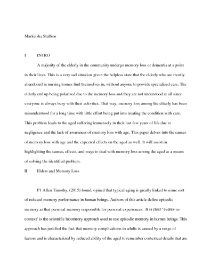
Cultural Assessment The purpose of this assignment is to give you the opportunity to analyze the effects of culture on health care. You are to use a community (Red Hook…
Read Full Paper ❯
Cultural Identity Paper: Write a 4-6 page paper describing factors of your cultural identity. In your analysis, please use BOLDED terms from the textbook. Include all of…
Read Full Paper ❯
Cultural Competence Health Practitioner Assessment (CCHPA) (12 points) The Cultural Competence Health Practitioner Assessment (CCHPA) was created by the National Center for Cultural Competence to encourage competence in cultural linguistics…
Read Full Paper ❯
Cultural Health Promotion Plan Paper This is an INDIVIDUAL assignment based on community data and the Healthy People 2010/2020 National Objectives. DUE DATE: July 6, 2010 by 10:00 p.m. with…
Read Full Paper ❯
Cultural Assessment Presentation The purpose of this assignment is to give you the opportunity to analyze the effects of culture on health care through a power point presentation or a…
Read Full Paper ❯
Cultural Assessment Paper: African American Family. 1. Review the literature on the cultural group of this family. 2. Check the census data on the particular cultural population. 3. Data collection (setting, informant, method for…
Read Full Paper ❯
This cultural psychology term paper is supposed to be an empirical study that compare differences of two cultural groups(East Asian and Westerner) in some area and topic could be…
Read Full Paper ❯
TEXT:Eicher, J.B., Evenson, S.L., Lutz, H. A. (2008). The Visible Self: Global Perspectives on Dress, Culture, and Society, 3rd Edition. New York, NY: Fairchild Books. ISBN-13: 978-1-56367-642-0 Please answer all…
Read Full Paper ❯
Assignment 2 Superstorm Sandy : Consequences from the Perspective of Cultural Psychology Cultural psychology has taught us that humans are not very well adapted to their environment but that culture…
Read Full Paper ❯
Module 2: Topic and Objectives Professional Communication and Practice * Demonstrate professional writing skills using APA style. *…
Read Full Paper ❯
1) review the major cultural characteristics of chinesse and korean heritage, assigned cultural groups, discuss at least three factors that should be considered to provide a culturally…
Read Full Paper ❯
Continuing with the same cultural group and health issue for the Session Long Project that you began in Module 2, please write a 2 - 3 page paper to…
Read Full Paper ❯
Theme: ?Cultural Awareness and Working with Difference inside Complex Organisations? A CASE STUDY OF A MENTALLY ILL PATIENT RECEIVING CARE IN THE COMMUNITY: Critically analyse the care received by a…
Read Full Paper ❯
Section 5: Begin making plans for your experiential exercise in a cultural event (Refer to Activity 11 for details of this assignment). Read Chapter 12-13 of Culturally Alert Counseling.…
Read Full Paper ❯
Hi, I have a 5 page research essay to type in An APA format with header and all. Title: Comparing two cultural groups. My groups are: Mexican and South Americans. Cultures. Include…
Read Full Paper ❯
Guide for Cultural Case Study Paper This assignment is to plan for the care of a person from a background significantly different than yourself for the purpose of learning…
Read Full Paper ❯
Task From your local video shop borrow one of the following films, or something similar [*check with your subject coordinator for the appropriateness] ? Crash, Broken English, Radiance, Looking for…
Read Full Paper ❯
Critique the following group Summary Intrinsic fairness involves the creation of an atmosphere that elicits a range of claims, concerns, and issues in a context for understanding and critiquing different…
Read Full Paper ❯
Dear Researcher The articles is about "Cultural Diversity in Rural Settings". Based on your finding in the two attach articles, write about the beliefs and behaviors in situations where racial…
Read Full Paper ❯
Faith Integration/Cultural Assignment Objectives: Upon completion of this assignment, the student will be able to: 1.Describe your feelings on hospitals having separate ceremonies for one specific cultural group. 2.Discuss the rationale,…
Read Full Paper ❯
The paper will address the differences and similarities between Hispanic Americans and African Americans. It will examine the interactions of values and beliefs between the sub-groups of young men.…
Read Full Paper ❯
1) The US healthcare system is built on many of the dominant European American cultural values, beliefs, and practices. These differ from some of the dominant values, beliefs, and…
Read Full Paper ❯
Upon entry into the health education field, you will be expected to be able to apply health behavior theory toward the development of culturally relevant health education programs. Indeed,…
Read Full Paper ❯
you are asked to think about how your project idea( Dowloading project Idea) may need to be altered to address one of the people groups in your geographical region.…
Read Full Paper ❯
I would like use Writer's Design and develop a learning project that compares cultural differences of two ethnic/cultural groups, individualism vs. collectivism or cultural impact on performance of workforce,…
Read Full Paper ❯